Buying your first home is an exciting milestone that marks the beginning of a new chapter in life. While the home-buying process itself can be challenging, the first year of first-time home ownership often comes with its own set of surprises, responsibilities, and learning experiences.
From managing monthly expenses and maintaining your property to understanding homeowner responsibilities, being prepared can help you transition smoothly into home ownership. This guide explains what to expect during your first year and how to make the most of your investment.
Understanding the True Cost of First-Time Home Ownership
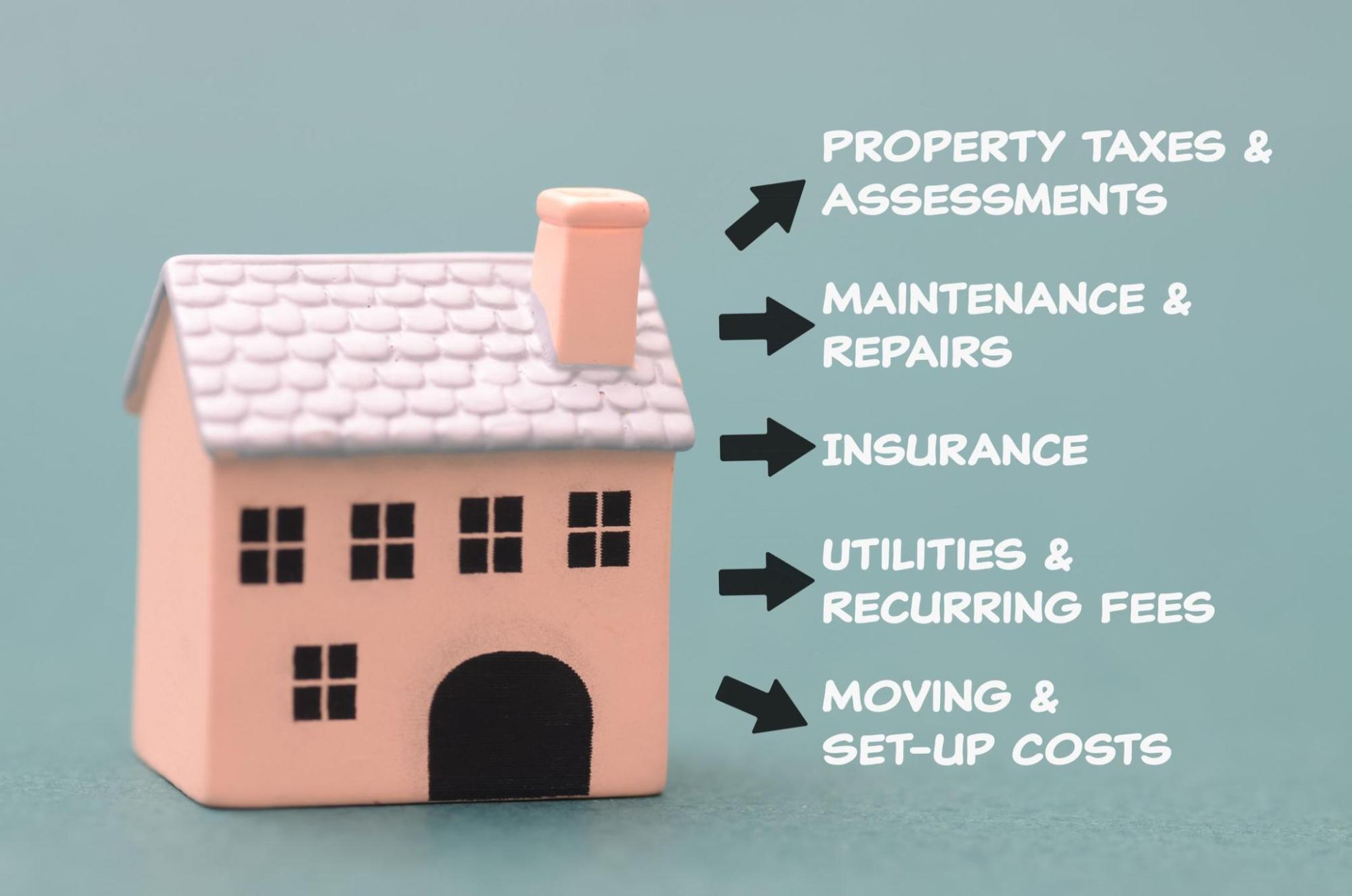
Many first-time buyers focus primarily on their mortgage payment when budgeting for a new home. However, owning a home involves additional expenses that can impact your finances throughout the year.
Some common costs include:
- Mortgage payments
- Property taxes
- Homeowners insurance
- Utility bills
- HOA fees (if applicable)
- Routine maintenance and repairs
- Landscaping and lawn care
- Home improvements and furnishings
Seeking
financial advice for first time home buyers can help you create a realistic budget and avoid unexpected financial stress.
Pro Tip:
Set aside a portion of your monthly income for maintenance and emergency repairs. Many experts recommend budgeting 1% to 3% of your home’s value annually for upkeep.
First-Time Homeowner Checklist: Essential Tasks After Moving In
Creating a first time homeowner checklist can help you stay organized and ensure important tasks are completed after closing.
Immediately After Moving In
- Change all exterior locks
- Update security system codes
- Set up utilities and internet services
- Locate water shut-off valves and electrical panels
- Test smoke and carbon monoxide detectors
- Review appliance manuals and warranties
Within the First Few Months
- Schedule HVAC maintenance
- Inspect plumbing and electrical systems
- Create a seasonal home maintenance calendar
- Review homeowners insurance coverage
- Organize important homeownership documents
Completing these tasks early can help prevent costly issues later.
Understanding Homeowner Responsibilities
One of the biggest adjustments during first-time home ownership is taking responsibility for maintaining your property.
Unlike renting, homeowners are responsible for:
- Plumbing repairs
- Electrical maintenance
- Roof inspections
- Appliance upkeep
- Lawn and landscaping care
- Exterior maintenance
- Seasonal weather preparation
Being proactive with maintenance can extend the life of your home’s systems and help preserve property value.
Common First-Year Home Ownership Expenses
Even a well-maintained home may require repairs or upgrades during the first year.
Some common expenses include:
Home Maintenance
Routine maintenance such as servicing HVAC systems, cleaning gutters, and replacing air filters.
Unexpected Repairs
Leaky faucets, appliance breakdowns, or minor electrical issues can arise unexpectedly.
Furniture and Home Improvements
Many first-time homeowners purchase additional furniture, storage solutions, or make cosmetic upgrades after moving in.
Utility Adjustments
Your utility costs may be different than expected based on the size, age, and efficiency of your home.
Planning for these expenses can help you avoid financial surprises.
Building a Home Maintenance Routine
Regular maintenance is one of the most important homeowner responsibilities.
Spring
- Clean gutters
- Inspect the roof
- Service air conditioning systems
Summer
- Check outdoor drainage
- Inspect exterior paint and siding
- Maintain landscaping
Fall
- Service heating systems
- Seal windows and doors
- Clean gutters before winter
Winter
- Protect pipes from freezing
- Check insulation
- Monitor heating efficiency
Following a maintenance schedule helps prevent expensive repairs and keeps your home in excellent condition.
Personalizing Your New Home
One of the most rewarding aspects of buying your first home is the freedom to customize your living space.
Popular first-year projects include:
- Painting walls
- Upgrading lighting fixtures
- Installing smart home devices
- Enhancing landscaping
- Improving storage and organization
While home improvement projects can increase comfort and value, prioritize upgrades based on your budget and immediate needs.
Building Equity and Long-Term Financial Stability
Home ownership is more than having a place to live—it can also contribute to long-term financial growth.
Equity Growth
Each mortgage payment helps build ownership in your property.
Potential Property Appreciation
Depending on market conditions, your home’s value may increase over time.
Predictable Housing Costs
Fixed-rate mortgages can provide greater payment stability compared to rising rental costs.
Wealth Building
For many families, home ownership remains one of the most effective ways to build long-term wealth and financial security.
Tips for First-Time Homeowners in Their First Year
To make your first year as a homeowner more successful:
✔ Create a realistic homeownership budget
✔ Build an emergency repair fund
✔ Stay on top of maintenance tasks
✔ Learn basic DIY home care skills
✔ Prioritize essential repairs before cosmetic upgrades
✔ Keep records of home improvements and maintenance
✔ Review your insurance policy annually
✔ Plan for future upgrades and renovations
These practical strategies can help you confidently navigate your first year of home ownership.