

Buying a home is a major financial milestone, but the mortgage payment is only one part of the overall expense. Homeowners also need to account for property taxes, insurance, utilities, maintenance, repairs, and unexpected costs. Without a clear understanding of these expenses, it can be easy to underestimate the amount needed each month to comfortably maintain a home.
Understanding your homeownership costs can help you create a realistic budget and prepare for expenses before they arise. Whether you are purchasing your first home or have owned a property for years, planning for both regular and unexpected costs can help prevent your housing expenses from putting unnecessary pressure on your finances.
What Are the Main Costs of Homeownership?
The cost of homeownership extends beyond the monthly mortgage payment. Homeowners are responsible for a range of expenses that can vary depending on the property’s location, size, age, condition, and features. Some costs are predictable, while others may change throughout the year or occur unexpectedly.
| Homeownership Expense | Typical Frequency | Budget Consideration |
|---|---|---|
| Mortgage | Monthly | Principal and interest |
| Property taxes | Monthly/Quarterly/Annually | Varies by location |
| Homeowners insurance | Monthly/Annually | Premiums and coverage |
| Utilities | Monthly | Electricity, water, gas, internet |
| Maintenance | Monthly/Seasonal | Routine upkeep and servicing |
| Repairs | As needed | Plumbing, roofing, appliances |
| HOA fees | Monthly/Quarterly | Applicable to some properties |
| Contact your bank through official channels | Helps avoid impersonation scams | Helps avoid impersonation scams |
Looking at these expenses together provides a more accurate picture of your overall homeownership expenses. A property that appears affordable based on its mortgage alone may require a much larger monthly commitment once all housing-related costs are included.
Understand the Total Cost of Homeownership
When planning for a home, it is important to distinguish between fixed and variable expenses. Your mortgage may remain relatively predictable, while utility bills, insurance premiums, maintenance, and repair costs can change over time. Property taxes may also increase depending on local assessments and regulations.
Unexpected expenses can be particularly difficult when there is no money set aside for them. A broken appliance, plumbing issue, roof repair, or HVAC problem can quickly turn into a significant expense. Understanding the full cost of homeownership allows you to build flexibility into your budget instead of using every available dollar toward your mortgage or other fixed payments.
How to Create a Homeownership Budget
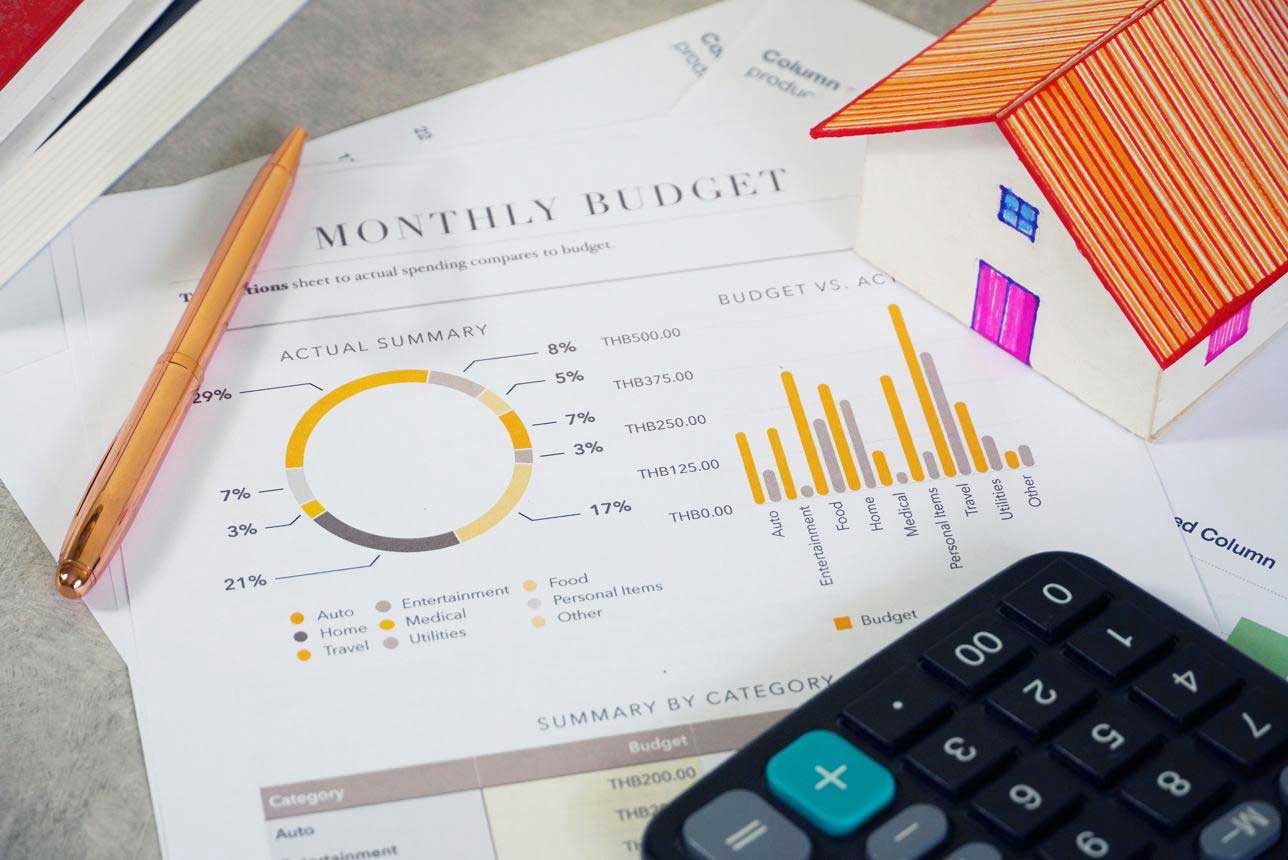
A realistic homeownership budget should include your complete housing expenses rather than focusing only on the mortgage. Start by calculating your regular monthly costs, then consider expenses that occur annually or only when repairs are needed.
For example, you can estimate your mortgage, property taxes, insurance, utilities, and HOA fees and then create a separate savings category for maintenance and unexpected repairs. This approach can make irregular expenses easier to manage because you are gradually preparing for them rather than trying to find the money when an emergency occurs.
For a homeownership budget for first-time buyers, this planning is especially important. New homeowners may be accustomed to budgeting primarily for rent and utilities, while homeownership introduces additional responsibilities such as property maintenance, repairs, taxes, and insurance. Understanding these expenses before buying can help first-time buyers choose a home that fits their broader financial situation.
How Much Should I Budget for Home Maintenance?
There is no single maintenance amount that applies to every homeowner. Home maintenance costs depend on the property’s age, size, condition, location, and the condition of major systems such as the roof, HVAC, plumbing, and electrical components.
Instead of waiting until something breaks, consider setting aside money regularly for maintenance. Routine expenses such as HVAC servicing, gutter cleaning, landscaping, pest control, and appliance maintenance may seem relatively small individually, but they can add up throughout the year.
It is also important to prepare for larger expenses. Roof replacements, HVAC systems, major plumbing repairs, and appliance replacements can be costly. Having a dedicated savings cushion for these expenses can reduce the likelihood of relying on high-interest debt when a major repair becomes necessary.
What Are the Hidden Costs of Owning a Home?
Many homeowners focus on the purchase price and mortgage but overlook expenses that appear after moving in. These hidden costs of owning a home can include everything from replacing appliances to maintaining outdoor areas and paying for professional services.
Some commonly overlooked expenses include:
- Landscaping and lawn maintenance
- Pest control and seasonal services
- Appliance replacement and servicing
- Home security and related services
- Plumbing, electrical, or HVAC repairs
- Increased utility expenses
- HOA assessments or special fees
These costs do not necessarily occur every month, which makes them easy to overlook when creating a budget. However, setting aside a portion of your income for irregular expenses can make them easier to absorb when they eventually arise.
Ways to Reduce Homeownership Costs
Reducing homeownership costs does not mean avoiding necessary maintenance or choosing the cheapest option for every home-related expense. Instead, homeowners can focus on making proactive decisions that may help prevent larger expenses in the future.
Preventive maintenance is one of the most practical approaches. Fixing a small leak, servicing an HVAC system, or addressing minor damage early may help prevent more expensive repairs later. Improving energy efficiency can also help manage utility expenses. Simple improvements such as energy-efficient lighting, better insulation, and efficient appliances may reduce energy consumption over time.
Homeowners can also periodically review insurance coverage, recurring services, and other housing-related expenses. Comparing available options while maintaining appropriate coverage can help identify potential savings without compromising important protection.
How to Manage Home Ownership Monthly Expenses
Managing home ownership monthly expenses becomes easier when you understand which costs are predictable and which are likely to fluctuate. Mortgage payments, insurance, and certain HOA fees may be relatively consistent, while utilities and maintenance can vary depending on the season and condition of the home.
Keeping track of these expenses throughout the year can help you identify patterns. For example, higher utility bills during certain seasons can be anticipated, while annual insurance or property tax payments can be incorporated into your monthly savings plan.
Your budget should also be reviewed periodically. Changes in income, insurance premiums, property taxes, utility costs, or maintenance requirements can affect the amount you need to allocate toward your home. A flexible budget allows you to adjust before these changes create financial pressure.
What to Do When Homeownership Costs Stretch Your Budget
Even with careful planning, homeownership costs can sometimes become difficult to manage. An unexpected repair, rising insurance premium, higher utility bills, or change in income can affect your ability to cover regular expenses.
If this happens, start by reviewing your complete housing budget. Identify essential costs and determine whether there are recurring expenses that can be reduced without affecting necessary maintenance or insurance coverage. It may also be useful to review other financial commitments and avoid taking on additional debt until your budget becomes more manageable.
Most importantly, address financial pressure early rather than waiting until it becomes overwhelming. Maintaining emergency savings and regularly reviewing your expenses can give you more flexibility when unexpected homeownership costs arise.
Build a Homeownership Budget That Works for the Long Term
A successful homeownership budget should account for more than what you spend today. It should also provide room for future repairs, maintenance, insurance changes, property taxes, and other unexpected expenses.
You do not need to predict exactly when a water heater will fail or when a roof will need replacement. Instead, the goal is to consistently set aside money so that these expenses do not completely disrupt your finances when they occur. Planning ahead can make homeownership more predictable and help you stay focused on your long-term financial goals.